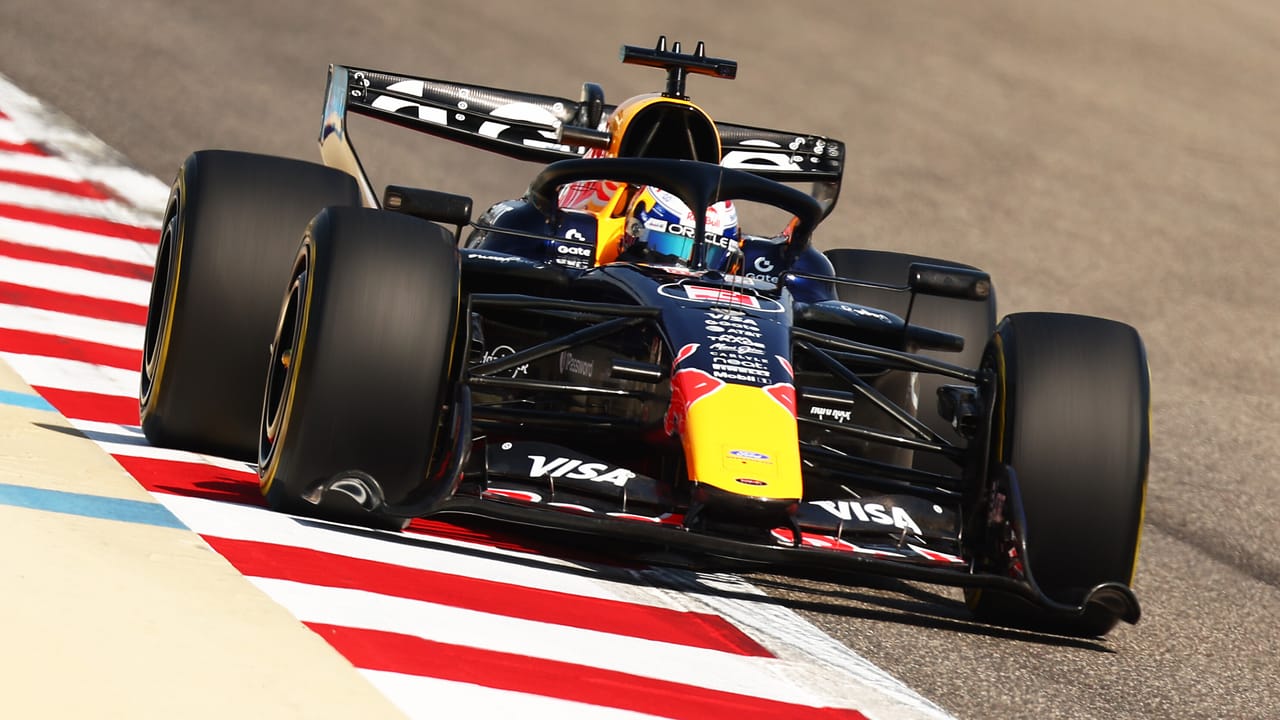
Formula One, often regarded as the pinnacle of motorsport, has long been a subject of debate regarding its relevance and purpose in the modern era. Critics question whether the sport still holds the same excitement and cultural significance it once did, while supporters emphasize its technological innovation and global appeal.
At its core, Formula One is a showcase of engineering excellence, pushing the boundaries of speed, safety, and technology. The sport serves as a testing ground for automotive advancements that often trickle down to everyday vehicles, making it a vital part of automotive development. Moreover, F1's global reach connects diverse audiences across continents, fostering a sense of international community and competition.
However, the sport faces challenges such as rising costs, environmental concerns, and the need to attract younger fans in an increasingly digital world. Critics argue that the high expenses and complex regulations can sometimes overshadow the racing itself, leading to questions about the sport's future relevance.
Despite these issues, Formula One continues to captivate millions of viewers worldwide, thanks to its thrilling races, charismatic drivers, and technological spectacle. The sport's ability to adapt—such as introducing hybrid engines and sustainable initiatives—demonstrates its commitment to staying relevant in a changing world.
Ultimately, the purpose of Formula One extends beyond mere entertainment. It embodies innovation, national pride, and the relentless pursuit of speed and perfection. While its role may evolve, its core appeal remains rooted in the human desire for excellence and the thrill of competition.
In conclusion, Formula One's point lies in its unique blend of technology, entertainment, and international camaraderie. As it navigates future challenges, its fundamental goal will likely remain the same: to push the limits of what is possible on four wheels and inspire generations of fans and engineers alike.